Welcome To The Data Leak Lawyers Blog
We focus on the latest news surrounding data breaches, leaks and hacks plus daily internet security articles.
We focus on the latest news surrounding data breaches, leaks and hacks plus daily internet security articles.
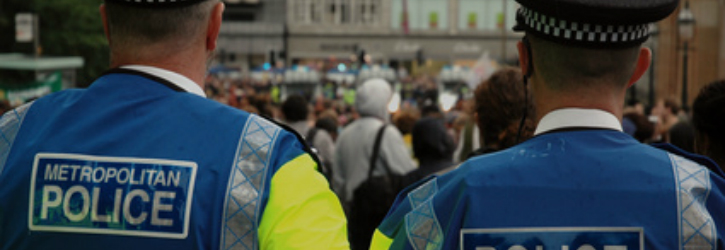
Recent statistics revealed that there were over 2,300 police data breaches in 2020, according to figures on the number of incidents reported to the ICO. The high figure raises questions about how effectively the force is managing data protection risks and ensuring the cybersecurity of its systems, and whether similar statistics may emerge for the 2021 period which is shortly due to end.
These statistics are particularly concerning given the often extremely sensitive nature of the information held by the police, which can include personal details of crime witnesses and victims. Everyone who discloses personal information to the police should have the right to do so in the knowledge that it will be kept secure and only viewed for specific investigation or work-related purposes. However, there are many unfortunate cases in which people have been let down by the organisation that is supposed to protect them.
If you have been affected by a police data breach, you may be eligible for a compensation claim. Our expert lawyers can offer free, no-obligation advice on your case.


A member of the public recently alerted the media to a police email data breach that is understood to have occurred at Dorset police. Revealing details of an alleged hate crime incident, the email came as a shock to the recipient, who could not understand how and why he had received the private information.
At Your Lawyers – the Data Leak Lawyers – as leading privacy claims lawyers, we have seen far too much information exposure caused by email errors. There are basic security barriers and procedures that can prevent such mistakes from occurring. However, unfortunately, many public sector organisations continue to commit needless data protection errors.
The police have specific data access privileges, giving them the right to process and store highly sensitive personal information for the purposes of detecting and fighting crime. It is, therefore, vital that the police ensure they are doing their utmost to protect personal data. Where they fail to abide by their legal duties, they could be forced to issue compensation pay-outs to those affected. It is important that all members of the public feel safe when disclosing their information to the police.

A misconduct hearing at Dyfed-Powys Police has reportedly told of a police officer misusing information for non-professional purposes.
The personal details in question are understood to have been taken when the officer fined a woman for a breach of Covid restrictions. If the special officer in question had not resigned before the hearing, he would likely have lost his job over the misuse of personal information.
As citizens, we have a right to trust that police officers use our information solely for the purposes of law enforcement. If they ever take advantage of the information, they have access to, it can constitute gross professional misconduct and a breach of data protection law. Anyone who has had their data exposed or misused by the police may be able to claim compensation for the harm caused.

The police have unique rights when it comes to processing and viewing personal information, but that does not mean that there are no limits governing their access to private data. In fact, because they have important legal responsibilities, and the data they can access is so sensitive, it is even more vital that they follow strict data protection rules. Misusing police computers can, therefore, be a serious offence.
We naturally trust the police to keep personal information secure by means of technical cybersecurity measures. Just as importantly, we expect it to be protected in accordance with their assumed integrity and professional standards. When a police officer breaches this duty, the effects can be devastating for those affected, particularly for crime victims in cases where the exposed information relates to a sensitive and traumatic incident.
If you have been affected by a police data breach, you may be entitled to claim compensation for the harm caused. No police officer should be exempt from justice when it comes to data privacy breaches. Your Lawyers, as leading Data Leak Lawyers, are here to help.

In 2017, it was reported that West Midlands Police officers had been responsible for as many as 24 data breaches in just one year. For the most part, the West Midlands Police data breaches were reportedly caused by the inappropriate disclosure of private information.
The breaches, which are understood to have occurred over the course of 2016, show the significant role that human error can play in causing information security incidents. While the West Midlands Police did not reveal specifics of the individual cases, it is nevertheless concerning that officers with access to such sensitive information were not being more diligent in their data protection duties.
For their crime fighting duties, the police force necessarily hold a great deal of sensitive information, so it essential that there are robust defences in place to prevent this data from being exposed. Sometimes, when the police fail in their data protection duties, it can cause immense distress to those affected and can even compromise their personal safety. To us, it is important that all police data breaches are thoroughly scrutinised, which is why we can offer free, no-obligation advice to anyone affected by an incident like this.
The vital crime-fighting function of the police means that they are allowed to request, process and use much more data than most people would ordinarily disclose to a third party. Many trust the police to handle the information that they are given access to with caution and respect, only requesting and viewing it when absolutely necessary. However, there are unfortunate examples of police using data without consent, abusing their powers to view or use information inappropriately.
Police officers are not above data protection law and this is important to remember. It may be that certain allowances are granted to them in accordance with the GDPR, but they are still bound to certain restrictions.
As such, those who are affected by police data breaches may be entitled to claim compensation for the harm caused.
It has recently been confirmed that a former Hampshire police officer has been reportedly banned from ever entering the police service again after it was found that he accessed private records without a valid policing reason. The Special Constable in question is understood to have resigned from his position before superiors could dismiss him for his data snooping.
While police officers are granted information access to records and details that are needed for casework, they are not authorised to view or use information outside of their policing workload without any good reason. Campbell violated his professional duty by accessing information without a legitimate reason, reportedly only browsing the records due to “curiosity”.
Regardless of the motives of the Hampshire police officer, there is no excuse for breaching data protection law. We trust the police service to maintain strict control over personal information, so it is important that any officers who breach the duty they owe to the public are held accountable for their actions.
Despite looking up private police records without authorisation, a Detective Sergeant has recently evaded dismissal following a misconduct hearing. In the Northamptonshire detective data breach case, the Detective Sergeant reportedly looked up the details of a woman with whom he was engaging in an extra-marital relationship with at the time, who was involved in a case he was working on.
His actions reportedly amounted to misconduct, so the Northamptonshire Police appear to be sending mixed messages by not taking the matter any further. The police can, and often do, dismiss officers for similar offences, but this officer’s acceptance of the accusations against him, and his standing in the force, seem to have allowed him to avoid further consequences.
Police data breaches like this should be treated with the severity that they merit, taking account of the potential damage such actions can cause. Police services cannot afford to let employees off lightly for breaching data access regulations, as doing so could risk compromising the force’s reputation and its overall data security and integrity.
Around two years ago, the Police Federation of England and Wales was hit by a cyberattack, and we began taking claims forward soon after the data breach incident occurred. Although it was initially believed that no personal information affected, it was nevertheless a possibility that employee data may have been exposed to unauthorised access.
The case against the Police Federation is one of many data breach group actions we are pursuing. As leading specialists in data breach claims, we are fighting for justice in a number of high-profile actions, including those against Equifax, Virgin Media and British Airways.
As with all our data breach group actions, we are offering No Win, No Fee representation to eligible victims of the Police Federation data breach. You can contact us today if you are considering starting a claim.
Recent coverage has revealed that action taken by bank employees and police prevented some £45m of fraud in 2020, saving customers from the loss of an average of almost £6,000 each. The figure is a testament to the success of the Banking Protocol scheme that encourages banks and the police to work together to protect consumers.
However, the huge £45m sum is also a sign of the scale of fraud in the UK. As leading, specialists in data protection law, we believe that the link between data breaches and fraud is a problem that needs to be addressed. When a third-party organisation fails to protect your personal information, it may be leaked into the hands of cybercriminals, who may attempt to steal from you via various kinds of manipulative scams.
We believe that it is essential that all data controllers are held to account when they fail to observe their legal duties. We have helped thousands of consumers to recover the compensation that they deserve, so we encourage any data breach victims to come forward for free, no-obligation advice on their potential claims.

EasyJet admits data of nine million hacked

British Airways data breach: How to claim up to £6,000 compensation

Are you owed £5,000 for the Virgin Media data breach?

Virgin Media faces £4.5 BILLION in compensation payouts

BA customers given final deadline to claim compensation for data breach
Shoppers slam Morrisons after loyalty points stolen

Half a million customers can sue BA over huge data breach

Lawyers accuse BA of 'swerving responsibility' for data breach

The biggest data breaches of 2020



Fill out our quick call back form below and we'll contact you when you're ready to talk to us.


