Welcome To The Data Leak Lawyers Blog
We focus on the latest news surrounding data breaches, leaks and hacks plus daily internet security articles.
We focus on the latest news surrounding data breaches, leaks and hacks plus daily internet security articles.
Over 6,000 people have reportedly been affected by the latest Department for Work and Pensions data breach, with sensitive information leaked in error.
The DWP (Department for Work and Pensions) suffered a serious data breach after publishing the sensitive details of over 6,000 individuals online for over two years. It is understood that the data was only taken down this Monday and formal investigations into the data breach have been launched.
If you have been affected by the Department for Work and Pensions data breach, you could be eligible to make a compensation claim for the loss of control of your personal information. Depending on what data of yours has been leaked, we may be able to assist you.


The British Airways ICO fine has been reduced from the proposed £183m initial intention to fine amount to just £20m; representing a significant reduction from the Information Commissioner’s Office (ICO) of around 90%.
The British Airways data breach affected almost half a million customers across two periods in 2018. Highly sensitive data that included names, addresses, payment card numbers – including CCV numbers in some cases – were accessed by hackers in the attack.
Customers who made or changed a booking between 10.58pm on 21 August 2018 and 9:45pm on 5 September 2018, or customers who made a reward booking between 21st April 2018 and 28th July 2018, could be affected by the data breach. If this applies to you, you could be eligible to claim compensation now.
As a leading firm of UK data breach compensation lawyers, we are incredibly concerned to learn of the Greater Manchester Police data breach that may affect thousands of victims of serious crime.
Representing thousands of clients for No Win, No Fee compensation cases for individual claims and in over 45 group action matters, our team is dedicated to fighting for the rights of those whose personal and sensitive information has been exposed or misused. We have seen how damaging a leak like this can be, and we have settled serious privacy compensation claims having been specialising in this area of law for over the last six years.
If you have been affected by this incident, we may be able to help you.

The ongoing Northumbria University cyberattack is a cause for concern and has already led to a significant amount of distribution for students.
We understand that the situation remains ongoing as the university tries to fix the problems that have arisen from the cyberattack. It looks like this may be a ransomware attack, and it remains unknown as to whether any information has been exposed so far.
If data does end up being exposed, victims whose personal information is affected may need our legal advice and representation.
The Pensions Management Institute data breach is understood to have affected 1,700 people after hackers gained access to the Outlook account of a PMI employee.
We understand that those whose information has been exposed in the attack have been targeted with emails directing them to a third-party website. Victims of the security incident are at an immediate risk of fraud and theft and will need to be vigilant for any contact that they now may receive.
As a leading firm of data breach lawyers, we are used to representing clients for these kinds of cases. The standard tricks that criminals use to steal money and further information can work, and people need to be careful.
Cases where the police accessing confidential information has amounted to a data breach is not something that anyone should take lightly, and victims do have rights.
The police service and its employees will have access to a great deal of personal and sensitive data to be able to do their jobs. Access to police computer networks and files on investigations and criminal records is a requirement for many. However, like anyone else, the police and its employees must still comply with important data laws and the GDPR. Access and use of information should only be carried out when there is authority and purpose to do so.
If someone does breach data protection laws at the police service, do not worry about having no rights because you are going up against law enforcement. You do have rights, and we may be able to help you. We may also be able to offer No Win, No Fee representation for a legal case.
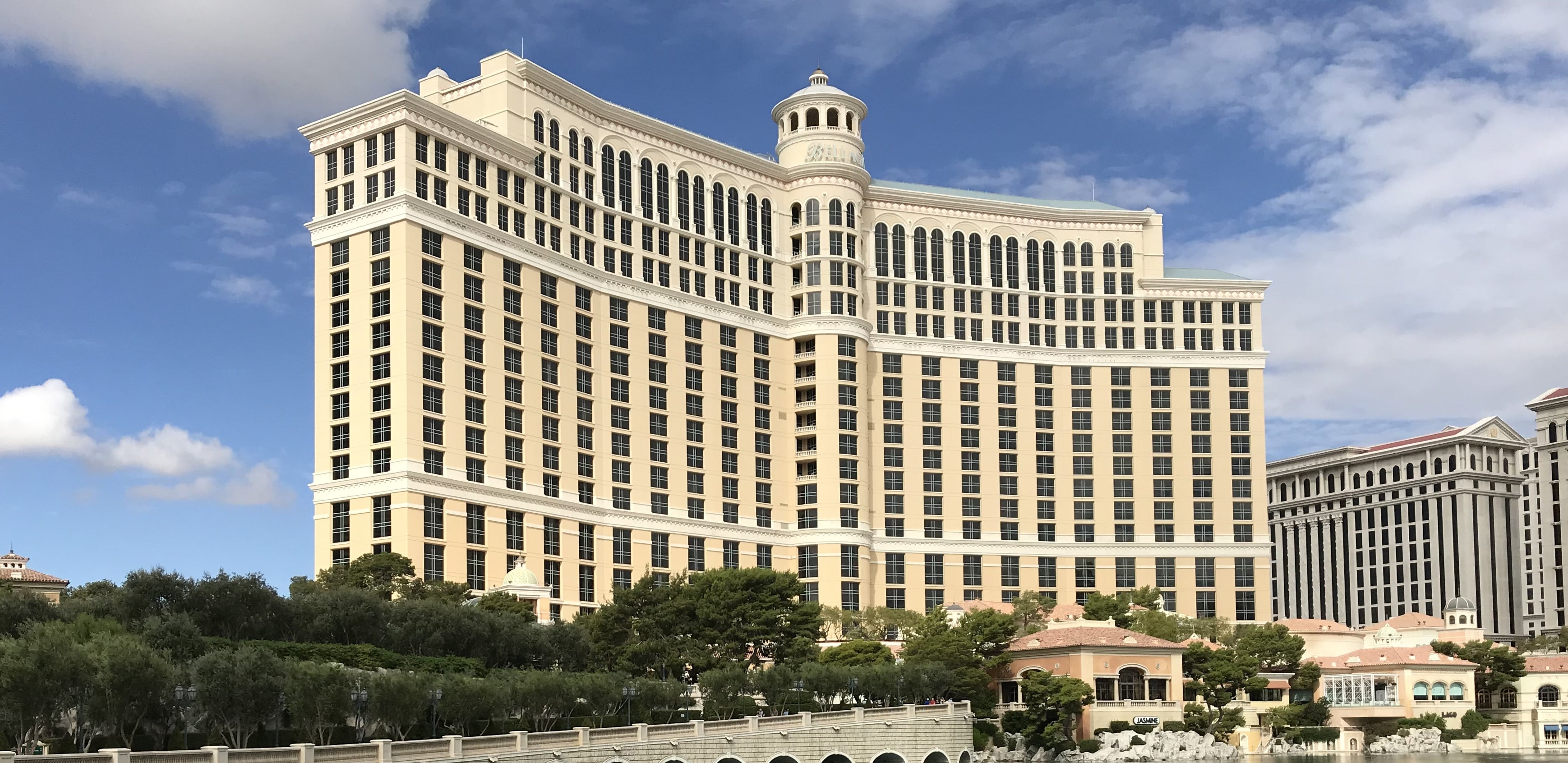
You could be eligible to claim for travel data breaches and receive compensation for hotel cyberattacks, and we may be able to represent you for a case on a No Win, No Fee basis.
The travel and tourism industry is a significant target for hackers as they can get away with a huge amount of personal and sensitive data. Hotels, airlines, package providers, intermediaries, and others could all be a valid target. One successful cyberattack could lead to the data for millions of people being exposed, as we have seen in some of the recent data breaches that have taken place in the UK and across the world.
As a leading firm of data breach compensation lawyers, here’s our take on the topic as well as advice about how we can represent you for a legal case.

When can you make a claim for cyberattack compensation? How can you hold an organisation to account that has been breached? How can we help you on a No Win, No Fee basis?
These are common questions when it comes to cyberattack compensation cases. Many may think that the only way you could claim is to sue those responsible for the attack – i.e. the hackers. This isn’t really a feasible option, but you can be eligible to claim compensation against the organisation that has been attacked. They have an important duty to protect themselves and your information, so if they have fallen short, you could be eligible for a case.
Data protection is the law. The GDPR puts a duty on organisations to take reasonable steps to protect the information that they store and process. If they fail to uphold this duty, they can be negligent.

Gloucestershire Council data breaches have been in the news following an annual report that outlined a number of incidents, some of which looked to be serious.
As we often say, council data breach compensation claims are one of the most common types of individual legal cases that we take forward for people. They can be unfortunately common, and they can also cause a great deal of harm for the victims. In fact, a couple of the cases that we resolved this year alone settled for between £7,000.00 and £9,000.00, and both involved sensitive information being accidentally shared. It can easily happen, but the damage from data being misused and exposed can be severe.
As a leading firm of data breach lawyers, we’re more than used to seeing the impact for the victims, which is why we do what we do.

If you have been the victim of data theft or loss, you could be entitled to claim compensation and you could benefit from our No Win, No Fee legal representation.
Despite the GDPR and how much a group action compensation action could amount to, information is being misused and exposed all the time. The GDPR ought to have been a real catalyst for change yet, despite this, we’re still seeing huge numbers of incidents taking place.
The victims of a data breach have rights. Here’s some brief guidance about the rights and how we can help.

EasyJet admits data of nine million hacked

British Airways data breach: How to claim up to £6,000 compensation

Are you owed £5,000 for the Virgin Media data breach?

Virgin Media faces £4.5 BILLION in compensation payouts

BA customers given final deadline to claim compensation for data breach
Shoppers slam Morrisons after loyalty points stolen

Half a million customers can sue BA over huge data breach

Lawyers accuse BA of 'swerving responsibility' for data breach

The biggest data breaches of 2020



Fill out our quick call back form below and we'll contact you when you're ready to talk to us.


