Welcome To The Data Leak Lawyers Blog
We focus on the latest news surrounding data breaches, leaks and hacks plus daily internet security articles.
We focus on the latest news surrounding data breaches, leaks and hacks plus daily internet security articles.
Recent study findings suggest that healthcare cybersecurity is still a cause for concern, with the healthcare industry itself a prime target for cybercriminals.
Underfunding and a lack of understanding by bosses means there are still huge gaps and vulnerabilities when it comes to healthcare cybersecurity, putting countless people’s private and sensitive medical data at risk of leaks and hacks.
It’s a simple case of pace: the healthcare industry doesn’t appear to be able to keep up to speed with the pace of the cybercriminals who are targeting them.

European regulators have rightly ordered big changes after the monumental Yahoo data breach that was revealed in 2016, having taken place two years earlier.
Some 500 million Yahoo user accounts were hacked, including around 39m European users; the largest ever single data breach to affect Europe. Information hacked in the Yahoo data breach included names, email addresses, telephone numbers, birth dates and passwords.
European regulators have demanded big changes be made to prevent a future incident of this size and nature ever happening again.

The recent Booking.com WhatsApp and text fraud operation showed precisely what criminals can do with enough data at their disposal.
According to the media reports in the aftermath of the Booking.com WhatsApp and text issue, criminals were looking to reap hundreds of thousands of pounds in ill-gotten gains by duping people into thinking they were Booking.com by using personalised messages that were said to have looked genuine, and included personal data.
Some people reportedly fell for the scam and lost money as a result, and we understand that Booking.com has committed to compensating victims.

As remote working continues to grow in popularity, adding massive flexibility for organisations, mobile working data breach worries are not being properly addressed.
According to a recent study, almost all (95pc) of businesses still struggle to secure mobile working, leaving both employees and the organisation on the whole at risk of mobile working data breaches. The study also said that one-third of businesses have suffered a data breach or a data loss as a result of mobile working, with one-in-five suggesting that mobile workers themselves simply don’t care about security. This is particularly shocking.
The information gleaned from this study is hugely concerning.
As the technology and use of unmanned aerial vehicles continues to grow, drone jacking could be the next big data breach risk.
Drones are already used in a number of industries: engineers use them for surveillance; insurance companies reportedly use them for monitoring; and Amazon want to use them to deliver packages to the doorsteps of homes around the world.
Our concerns are simple: if organisations can’t even get data protection right on a systems and software level, how are they going to get it right when it comes to potentially dangerous drones?
The MyHeritage data breach was a massive wake-up call about the dangers of providing personal and sensitive data to companies, with some 92m users affected by the breach.
When we have the ability to provide companies like MyHeritage with DNA information, which is used together with personal and sensitive information and a wealth of data about family histories, the massive MyHeritage data breach is a monumental wake-up call.
The family networking and genealogy site discovered the data breach last month, which reportedly took place in October last year.
Charity data breach incidents appear to be on the rise, and there are a number of reasons as to why they can be an easy target for hackers, and why they may fall foul of data laws more easily than some other organisations.
According to recent figures, there were 59 charity data breach incidents reported to the Information Commissioner’s Office (ICO) between January and March in 2018. This is a 69pc rise on the previous year’s period.
Although the figures appear to be in-line with rises seen in some other sectors, which may be due to the greater awareness of data breach laws given the new GDPR, the figures cannot be ignored.
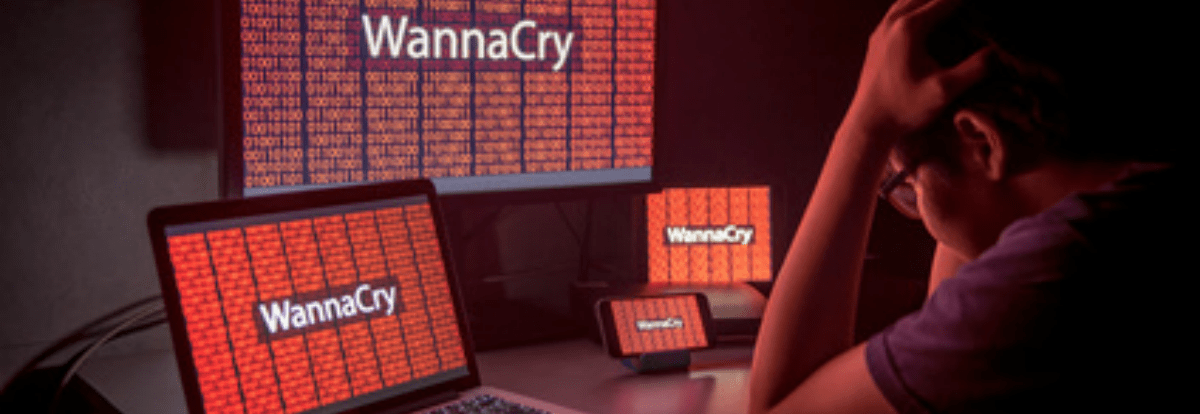
Last year’s WannaCry attack was a lucky escape, and the government is quite rightfully being urged to learn lessons from the encounter. We are almost a year on from the day that saw around one-third of all NHS Trusts in England disrupted by the malware attack that specifically targeted older (and therefore weaker) systems and servers.
The attack saw hundreds of other NHS organisations – including almost 600 GPs – infected during the attack, and some 20,000 hospital appointments and operations were cancelled.
Ultimately, the WannaCry attack was simple malware that still managed to cripple the NHS. It was a lucky escape, and future attacks involving medical data could be far, far worse.
read more
A data breach at the University of Surrey Sports Park has hit 90,000 people after a password was published online by a software supplier in what is being classed as an “employee error”.
The University has reportedly contacted members, staff and students to inform them of the data security issue, where details like birth dates, bank details, health information and contact particulars was at risk of exposure due to the publication of the password. A “sincere apology” has been issued, and victims of the breach are being asked to remain vigilant.
read more
Telecoms giant TalkTalk have been accused of continuing to neglect cybersecurity after a hacker contacted Sky news and reported website security flaws that had been left unfixed for years.
The news comes as little surprise to us as we continue to represent victims for previous TalkTalk cyber-hacks that were, in our view, entirely preventable.
According to the media reports from the end of March, the hacker found a simple scripting error that allowed him to take control of a TalkTalk.co.uk URL, and use it to trick customers that they were visiting a genuine TalkTalk website.
read more

EasyJet admits data of nine million hacked

British Airways data breach: How to claim up to £6,000 compensation

Are you owed £5,000 for the Virgin Media data breach?

Virgin Media faces £4.5 BILLION in compensation payouts

BA customers given final deadline to claim compensation for data breach
Shoppers slam Morrisons after loyalty points stolen

Half a million customers can sue BA over huge data breach

Lawyers accuse BA of 'swerving responsibility' for data breach

The biggest data breaches of 2020



Fill out our quick call back form below and we'll contact you when you're ready to talk to us.


