Welcome To The Data Leak Lawyers Blog
We focus on the latest news surrounding data breaches, leaks and hacks plus daily internet security articles.
We focus on the latest news surrounding data breaches, leaks and hacks plus daily internet security articles.

We can represent victims for stolen data breach compensation claims, and you could be eligible to benefit from our No Win, No Fee representation.
We can give you an insight into whether you could be eligible to claim compensation if this has happened to you. We can also briefly advise about what you can claim for, and how we approach the damages you could be entitled to receive.
Our experienced team is here and ready to provide you with free and no-obligation advice – please don’t hesitate to contact us today.


If your medical records are hacked, you could be entitled to claim data breach compensation for the distress caused by the loss of control of your personal information.
Hackers do target the healthcare sector, and the impact for victims when this kind of information is exposed or misused can be substantial. We can offer No Win, No Fee legal representation for eligible cases, and it is important for victims of this type of breach to access the justice that they may be legally entitled to.
Medical records data breach compensation claims are a common type of legal case that we take forward for victims. Here is how we can help you.

You could be eligible to claim for an accidental data protection breach, and we may be able to represent you for a legal case on a No Win, No Fee basis.
Many of the cases that we take forward involve information being exposed or misused as a result of an accident or an error. These kinds of incidents can have devastating consequences for the victims, with data breach compensation amounts based on things like the severity of the breach and the nature of the information involved.
As a leading firm of data breach compensation lawyers, we represent thousands of clients for cases, and we may be able to help you too.
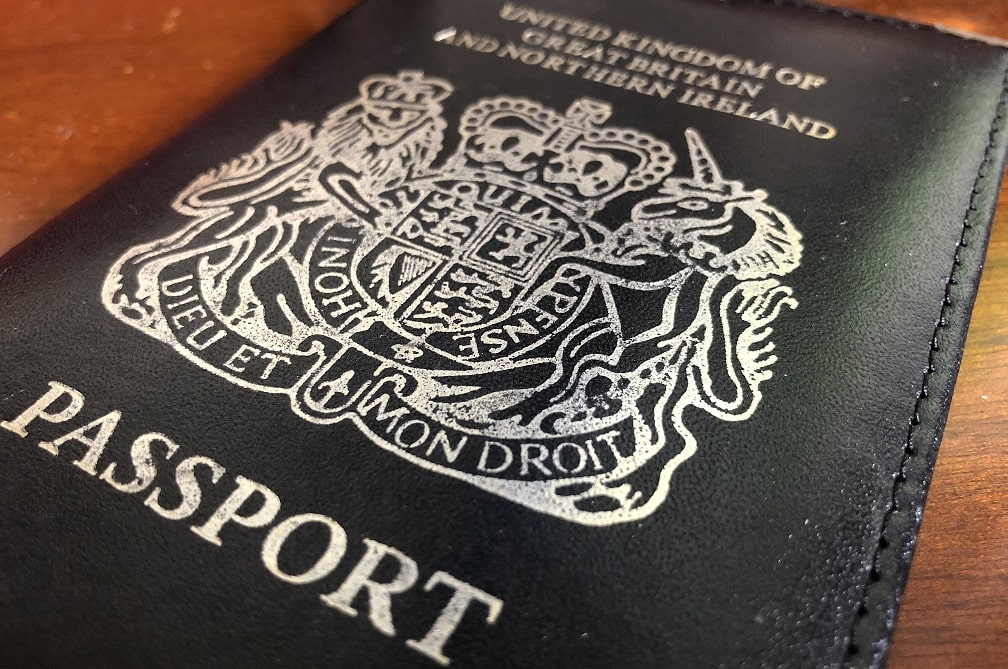
When it comes to data breaches and stolen passport information, we are more than used to representing people for compensation claims that involve these issues.
As a leading firm of data breach compensation and consumer law experts, we have represented clients for cases where this kind of identification documentation has been misused or exposed. A data breach like this can lead to victims suffering significant distress, and some may also incur financial losses and pay out expenses as well. Although you can just claim for the distress alone, you can be entitled to claim losses and expenses as well.
We can tell you from experience that these kinds of incredibly sensitive personal data breaches can have a significant impact on the victim. It is always important to get the best legal representation you can for a case like this, and here is how we can help you.

In our view, the Flintshire Council data breach that led to the personal details of people being accidentally leaked online was another avoidable incident.
Despite the GDPR and the lessons that could – and should – have been learned from similar incidents in the past that have affected public and private organisations alike, these simple and avoidable leaks continue to take place.
As a leading firm of data breach lawyers, we are used to taking council data breach compensation claims forward because of how often these kinds of incidents take place. At a time when we should be seeing fewer of these kinds of leaks, we continue to take on significant numbers of new legal cases.
You could be eligible to claim compensation for a breach that has arisen from a council email data leak, and we may be able to represent you on a No Win, No Fee basis.
In this article, we will look at some common examples, as well as defining what a data leak compensation claim actually is. You can also speak to our team today for free and no-obligation advice about your options for justice here as well.
As a leading firm of data breach compensation lawyers, we’re here to help.

You can start your easyJet cyberattack compensation claim quickly and easily with us today and benefit from our No Win, No Fee representation.
As a leading firm of data breach and consumer action lawyers, we are representing clients for cases right now. We already represent thousands of data breach victims in over 45 different group and multi-party actions, and victims could be entitled to claim thousands of pounds for the distress caused by the loss of control of personal information.
Here is a little bit of information about the data breach, what you could claim for, and how to contact the team for free, no-obligation advice today.
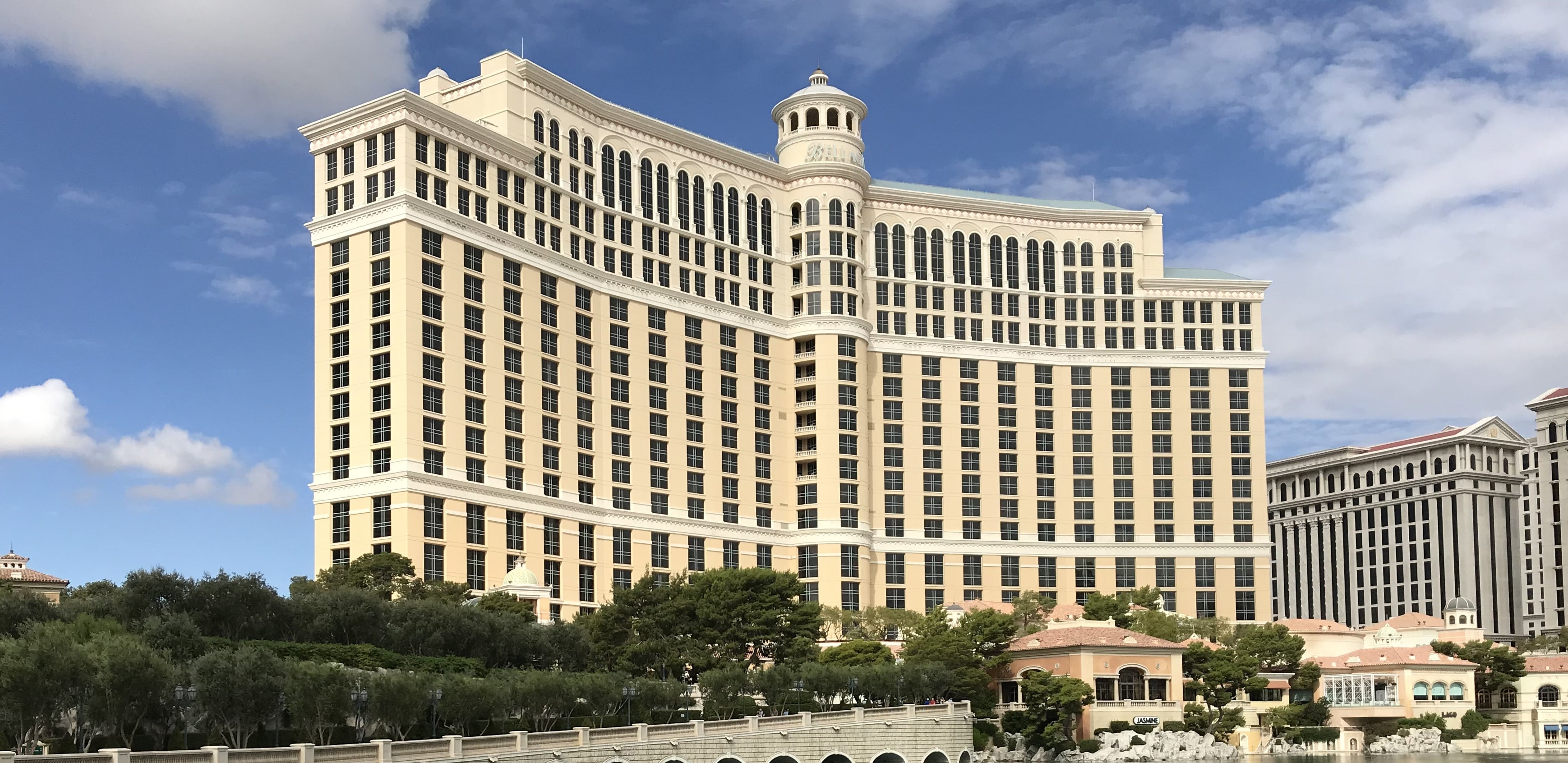
You could be eligible to claim for travel data breaches and receive compensation for hotel cyberattacks, and we may be able to represent you for a case on a No Win, No Fee basis.
The travel and tourism industry is a significant target for hackers as they can get away with a huge amount of personal and sensitive data. Hotels, airlines, package providers, intermediaries, and others could all be a valid target. One successful cyberattack could lead to the data for millions of people being exposed, as we have seen in some of the recent data breaches that have taken place in the UK and across the world.
As a leading firm of data breach compensation lawyers, here’s our take on the topic as well as advice about how we can represent you for a legal case.

When the latest leak or hack takes places and people learn about their legal right to justice, some people may ask: why claim data breach compensation at all?
Let us give you some key reason as to why you should, as well as outlining the No Win, No Fee and the hassle-free approach that we take.
You may be surprised when it comes to things like data breach compensation amounts, and the risks that victims can be at when even a small leak happens. As a leading firm of data breach compensation experts, let’s put you in the know.

When can you make a claim for cyberattack compensation? How can you hold an organisation to account that has been breached? How can we help you on a No Win, No Fee basis?
These are common questions when it comes to cyberattack compensation cases. Many may think that the only way you could claim is to sue those responsible for the attack – i.e. the hackers. This isn’t really a feasible option, but you can be eligible to claim compensation against the organisation that has been attacked. They have an important duty to protect themselves and your information, so if they have fallen short, you could be eligible for a case.
Data protection is the law. The GDPR puts a duty on organisations to take reasonable steps to protect the information that they store and process. If they fail to uphold this duty, they can be negligent.

EasyJet admits data of nine million hacked

British Airways data breach: How to claim up to £6,000 compensation

Are you owed £5,000 for the Virgin Media data breach?

Virgin Media faces £4.5 BILLION in compensation payouts

BA customers given final deadline to claim compensation for data breach
Shoppers slam Morrisons after loyalty points stolen

Half a million customers can sue BA over huge data breach

Lawyers accuse BA of 'swerving responsibility' for data breach

The biggest data breaches of 2020



Fill out our quick call back form below and we'll contact you when you're ready to talk to us.


