Welcome To The Data Leak Lawyers Blog
We focus on the latest news surrounding data breaches, leaks and hacks plus daily internet security articles.
We focus on the latest news surrounding data breaches, leaks and hacks plus daily internet security articles.
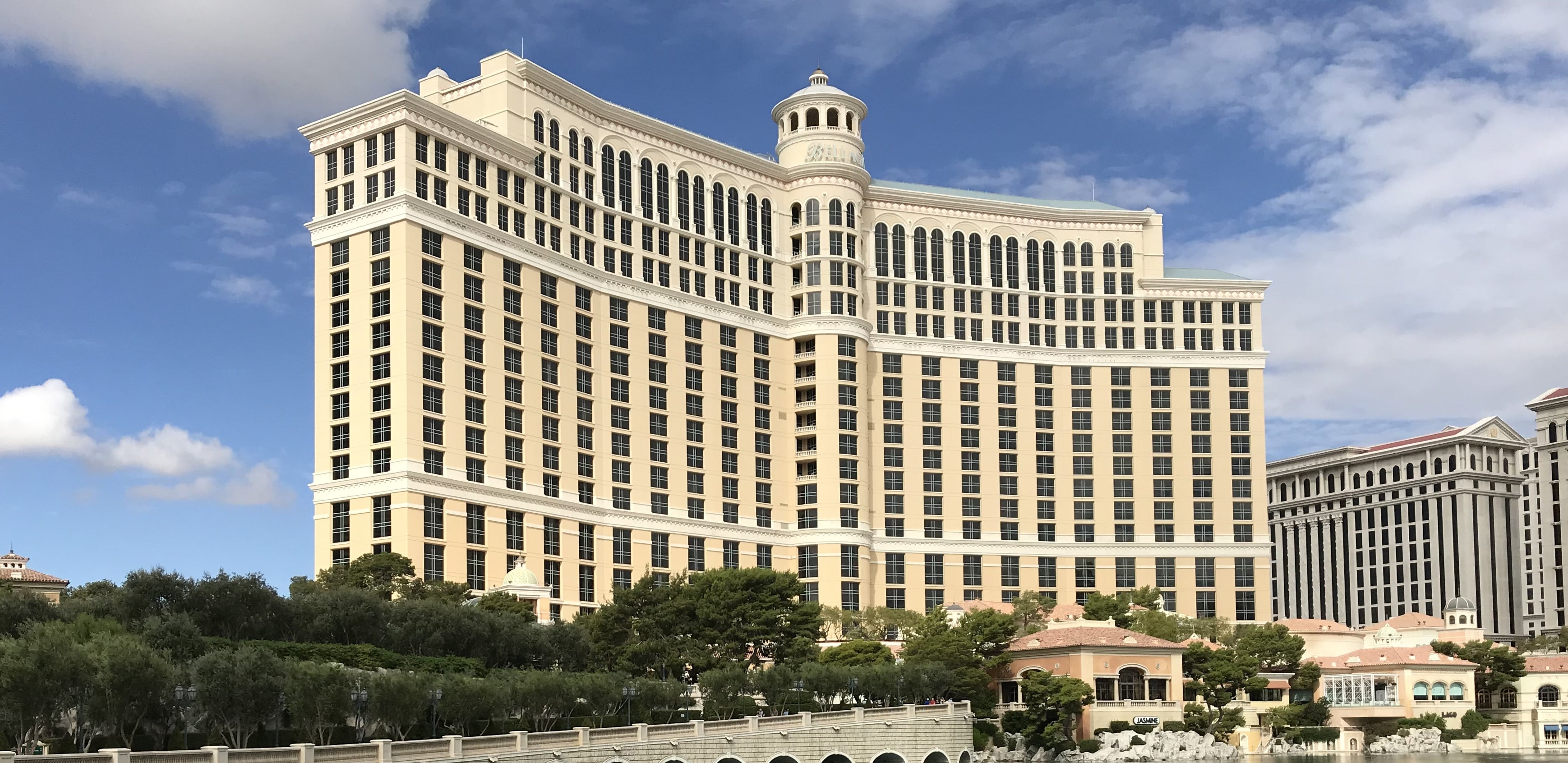
You could be eligible to claim for travel data breaches and receive compensation for hotel cyberattacks, and we may be able to represent you for a case on a No Win, No Fee basis.
The travel and tourism industry is a significant target for hackers as they can get away with a huge amount of personal and sensitive data. Hotels, airlines, package providers, intermediaries, and others could all be a valid target. One successful cyberattack could lead to the data for millions of people being exposed, as we have seen in some of the recent data breaches that have taken place in the UK and across the world.
As a leading firm of data breach compensation lawyers, here’s our take on the topic as well as advice about how we can represent you for a legal case.

When can you make a claim for cyberattack compensation? How can you hold an organisation to account that has been breached? How can we help you on a No Win, No Fee basis?
These are common questions when it comes to cyberattack compensation cases. Many may think that the only way you could claim is to sue those responsible for the attack – i.e. the hackers. This isn’t really a feasible option, but you can be eligible to claim compensation against the organisation that has been attacked. They have an important duty to protect themselves and your information, so if they have fallen short, you could be eligible for a case.
Data protection is the law. The GDPR puts a duty on organisations to take reasonable steps to protect the information that they store and process. If they fail to uphold this duty, they can be negligent.

Victims of local authority data breaches can be entitled to claim compensation with our team with the benefit of our No Win, No Fee legal representation.
Council data breach compensation claims are one of the most common types of individual cases that we take forward for people. Of the thousands of clients that we represent, many involve local authorities and their various agencies and service providers, such as social services.
Victims could be entitled to receive thousands of pounds in damages, and we can recover compensation for our clients with our specialist representation. As a leading firm of data breach compensation lawyers, we may be able to help you.

As a leading firm of data breach compensation experts, we are used to representing people for data breaches at universities on a No Win, No Fee basis.
And with recent research indicating that breaches in the education sector continue to be a serious problem, our work to fight for the justice of the victims continues to be important.
Victims of a university data breach can be eligible to claim compensation for the loss of control of their personal information. Here’s how this can work, as well as coverage of the recent research.
Victims could be eligible to claim compensation for identity theft that has arisen from a data breach, data leak or a cyberattack event, and we can offer No Win, No Fee representation.
Data breach compensation pay-outs for legal cases like this can account for any financial losses incurred, but they can also account for the distress you suffer as well. It can be incredibly worrying for your information to be in the hands of criminals, and the law can entitle you to receive compensation for the distress you suffer from the loss of control of your private information.
This means that, even if you lost nothing or had your money returned, you could still be eligible for a claim.
Having been contacted for help by victims of the Blackbaud data breach whose information was hacked, we are taking claims for compensation forward for victims on a No Win, No Fee basis.
There are thought to be over 120 organisations affected so far by the breach, including multiple universities and charities. A wealth of data was exposed in the attack which led to Blackbaud reportedly paying the ransom that was demanded by the hackers who managed to access the information.
If you have been told that you are affected by the cyberattack, we may be able to help you.
If you have suffered as a result of a GDPR data breach, you could be entitled to claim compensation with us today on a No Win, No Fee basis.
We will briefly outline how this works and explain what you could be entitled to receive in terms of compensation. You could be eligible to receive thousands of pounds in damages, and getting started with a legal case is easy with us.
As a leading firm of data breach and consumer action lawyers in England and Wales, we represent thousands of clients for cases. This includes in over 45 group and multi-party actions for data breach incidents. For you, this means that you have a voice for justice.
Patient records exposed in ransomware attacks can be devastating for the victims which is why the work that we do is so incredibly important for our clients.
Medical data breach compensation claims are one of the most common types of cases that we represent people for. The impact can be substantial and the pay-outs can be high, and we have plenty of years of experience in this complex and niche area of law as a leading firm of data breach lawyers.
With the sector a clear target for criminals, it’s important that the victims can access the justice that they can be entitled to.

We are representing a group of victims who are pursuing British Airways data breach claims with our expert team who are on the Steering Committee responsible for the overall conduct of the litigation.
We are pursuing cases on a No Win, No Fee basis as we prepare the Claimants for meeting the requirements of the big court deadline early next year. Claimants could be entitled to receive up to £6,000.00 or more in estimated pay-outs.
If you have yet to join, we recommend that you get started as soon as you possibly can.
You could be entitled to claim data breach compensation for card skimming events where data is stolen when you input your information into a legitimate website that has been compromised.
As a leading firm of data breach compensation specialists, this is an area of law we have a great deal of expertise in. We represent thousands of clients for group and multi-party actions, as well as for individual legal cases, and many involve skimming events.
You could be entitled to damages if your information has been misused or exposed in this way. Here’s how we may be able to help you.

EasyJet admits data of nine million hacked

British Airways data breach: How to claim up to £6,000 compensation

Are you owed £5,000 for the Virgin Media data breach?

Virgin Media faces £4.5 BILLION in compensation payouts

BA customers given final deadline to claim compensation for data breach
Shoppers slam Morrisons after loyalty points stolen

Half a million customers can sue BA over huge data breach

Lawyers accuse BA of 'swerving responsibility' for data breach

The biggest data breaches of 2020



Fill out our quick call back form below and we'll contact you when you're ready to talk to us.


